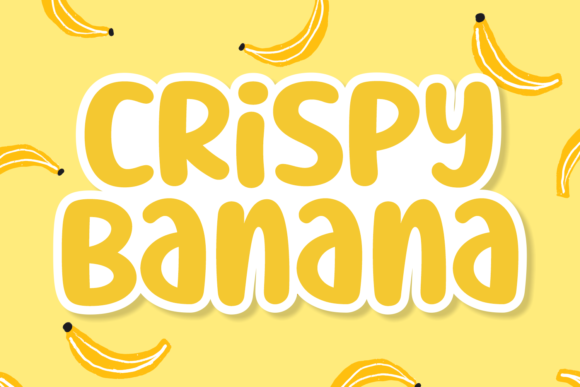
Evaluating the Crispy Banana Font for Creative Projects
In the diverse world of typography, selecting the right typeface is a critical decision that shapes a project's entire visual narrative. While classic serif and sans-serif fonts offer reliability, display fonts provide an opportunity to inject personality and capture attention. Crispy Banana is one such display font, characterized by its playful, retro-inspired aesthetic. This article provides a practical evaluation of its features, ideal applications, and potential tradeoffs to help you determine if it's the right choice for your specific design needs.
Understanding the Crispy Banana Typeface
At its core, Crispy Banana is a bold, decorative typeface designed to evoke a sense of fun, nostalgia, and energy. Its letterforms are typically rounded, chunky, and slightly irregular, mimicking styles popular in mid-20th-century advertising, children's book covers, and retro signage. The name itself suggests a lighthearted, almost edible quality—something that is both familiar and delightfully textured. It is not a workhorse font for body copy but a specialized tool for headlines, logos, and short, impactful text where personality is paramount.
Key Design Characteristics
- Playful and Rounded Forms: The characters avoid sharp angles, favoring soft curves and a friendly demeanor.
- Retro Appeal: It draws inspiration from vintage cartoons, food packaging, and diner menus, making it instantly nostalgic.
- High Visual Impact: Its bold weight and unique shapes ensure it stands out in a design, especially when set in larger sizes.
- Optimized for Display: Designed primarily for headlines and short phrases, it prioritizes character over long-form readability.
Scenarios Where Crispy Banana is a Strong Fit
Evaluating a font involves matching its strengths to your project's goals. Crispy Banana excels in contexts where conveying a specific mood is more important than neutral professionalism. Consider it for the following applications:
Food, Beverage, and Children's Design
This is a natural home for the font. Its name and style make it exceptionally suitable for branding a juice bar, ice cream parlor, or a retro-themed diner. It works wonderfully on food and drink menus, packaging for snacks, or promotional materials for family-friendly events. In children's theme designs, such as party invitations, book titles, or educational posters, its friendly and approachable letterforms can engage a young audience effectively.
Branding and Posters for Fun-Focused Ventures
For brands that want to project an image of being energetic, approachable, and unconventional, Crispy Banana can be a compelling choice. Think of logos for toy stores, children's clothing lines, or indie game studios. On posters for music festivals, comedy shows, or summer events, it can instantly communicate a vibe of fun and informality. When paired with a bright, complementary color palette, its retro charm is amplified, creating designs that feel both vintage and vibrant.
Benefits and Considerations for Selection
Choosing Crispy Banana involves weighing its distinct advantages against its inherent limitations. An objective assessment will lead to a more informed and suitable application.
Primary Benefits
- Instant Personality: It immediately injects a dose of fun and nostalgia, saving designers the effort of trying to achieve this mood with more generic fonts.
- High Memorability: Its unique style makes logos and headlines more likely to be remembered by viewers.
- Excellent for Pairing: It often pairs well with simple, clean sans-serif fonts for body text, creating a clear visual hierarchy that is both playful and legible.
Important Tradeoffs and Limitations
The very qualities that make Crispy Banana special also define its limitations. It is crucial to consider these before committing:
- Readability at Small Sizes: Its decorative nature can compromise legibility when used for body copy or in very small point sizes. It is not suitable for long paragraphs or detailed footnotes.
- Contextual Mismatch: Using it for formal, corporate, or serious topics (e.g., a law firm's website, a financial report, or academic materials) would create a jarring and unprofessional dissonance.
- Overuse Can Be Tiring: Applying the font everywhere in a single project can overwhelm the viewer. Best practice is to use it sparingly as an accent to maintain its impact.
- Licensing and Versatility: As a display font, it may have a more limited character set or require a specific commercial license, which is a practical consideration for budget and project scope.
Making the Decision: Is Crispy Banana Right for You?
To determine if Crispy Banana aligns with your project, ask yourself these practical questions:
- What is the core message? If the message is about fun, playfulness, nostalgia, or informality, it's a strong candidate. If the message is serious, authoritative, or minimalist, look elsewhere.
- Who is the target audience? Children, families, and audiences seeking entertainment or casual dining are ideal. Professionals or audiences expecting sleek, modern design may not resonate with it.
- How will it be used? It is best for headlines, logos, and short calls-to-action. Plan to pair it with a highly legible font for any extended text.
- Does it fit the color scheme? Its retro vibe is enhanced by bold, saturated colors. It may look out of place in a muted, pastel, or monochromatic palette unless used very intentionally.
Exploring Alternatives
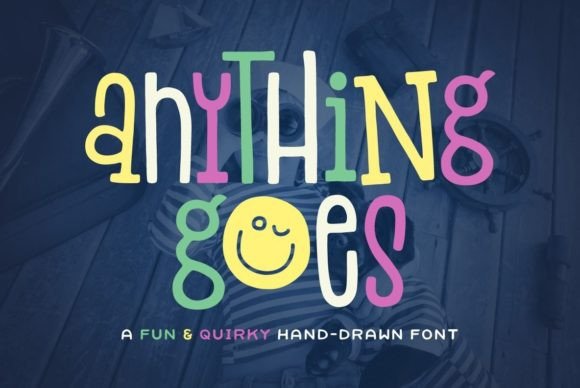
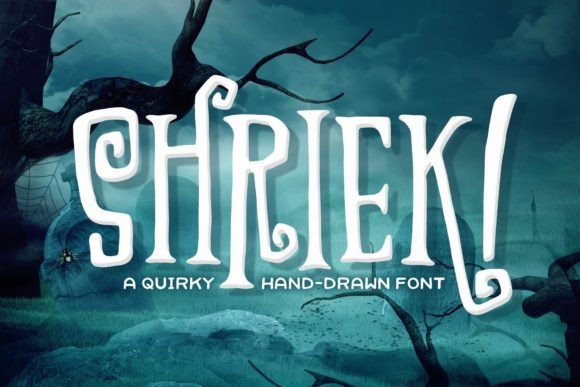
If Crispy Banana doesn't quite fit, the typography world offers many alternatives. For a similar playful feel but with a different personality, consider other retro display fonts or hand-lettered styles. For a more modern, clean fun, some geometric sans-serifs with rounded terminals can work well. If the project requires a touch of whimsy without the full retro commitment, a quirky serif font might be the answer. The key is to define the mood you need and then explore fonts that fulfill that specific role within the constraints of your project's context and audience.
Conclusion
Crispy Banana is a distinctive display font that serves a specific and valuable niche. It is not a universal tool but a specialized one for projects that benefit from a burst of playful, retro energy. By carefully evaluating your project's goals, audience, and application context, you can decide whether its bold personality is an asset or a liability. When used thoughtfully—typically for headlines in food, children's, or entertainment branding—it can transform a design from ordinary to memorably fun. The most effective typographic choice always begins with a clear understanding of the story you want to tell.