Den Basuky: Evaluating a Delicate Handwritten Font for Your Design Projects
In the world of digital design, typography is a powerful tool for conveying emotion and setting a tone. The choice of font can transform a simple message into a personal, heartfelt statement. Among the many options available, Den Basuky stands out as a distinct, delicate, and timeless handwritten font. It is crafted to add a human touch to digital creations, but like any design asset, its effectiveness depends entirely on the context of its use. This article provides a balanced evaluation to help you determine if Den Basuky is the right choice for your specific project.
Understanding the Den Basuky Typeface
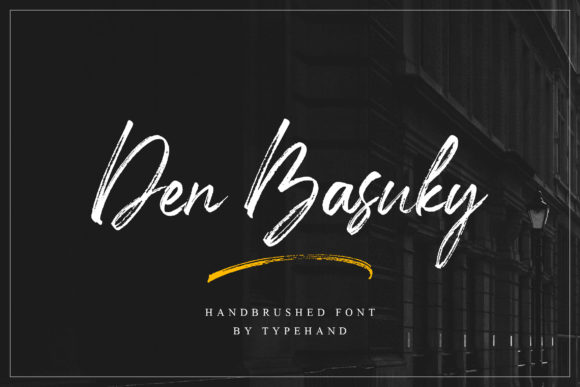
Den Basuky is a script font designed to emulate the fluidity and imperfections of natural handwriting. Its defining characteristics include thin, elegant strokes and a flowing, connected letterform. The overall aesthetic is one of sophistication and intimacy, avoiding the heavy, casual look of some other handwritten styles. It is not a font designed for bulk text but rather for impactful, short-form applications where a personal signature is desired. The design prioritizes grace and readability at display sizes, making it a specialized tool in a designer's typographic toolkit.
Key Reasons for Considering a Handwritten Font
Designers and creators often seek out fonts like Den Basuky for several key reasons. The primary motivation is to inject personality and warmth into a project. In a digital landscape filled with sterile, geometric sans-serifs, a handwritten font can create an immediate emotional connection with the viewer. It signals care, thoughtfulness, and a bespoke quality. Furthermore, it helps establish a unique brand identity. For businesses or individuals in creative fields, a signature font can become a recognizable part of their visual language, differentiating them from competitors using more common typefaces.
Evaluating the Benefits of Den Basuky
When used in the right setting, Den Basuky offers several clear advantages. Its delicate nature ensures it does not overwhelm a design, instead acting as a complementary element. The timeless quality means it is less likely to feel dated quickly compared to trend-driven fonts. Its legibility at larger sizes makes it reliable for headlines and titles where clarity is paramount. The font excels at creating a specific mood—one of elegance, romance, and authenticity—which is difficult to achieve with standard typefaces.
Ideal Applications and Strong Fits
Den Basuky is particularly well-suited for projects that require a personal, elegant touch. Its strengths are most apparent in the following scenarios:
- Wedding Stationery: For invitations, save-the-dates, and thank you cards, the font captures the romance and personal significance of the event.
- Branding for Artisan Businesses: Logos, business cards, and packaging for bakeries, florists, boutiques, and other craft-based ventures benefit from its handmade feel.
- Inspirational Content: Quotes, social media graphics, and blog headers that aim to inspire or uplift are enhanced by its graceful presentation.
- Greeting Cards: Both physical and digital cards for birthdays, anniversaries, or holidays gain a heartfelt quality.
Important Considerations and Potential Tradeoffs
While Den Basuky has many merits, it is essential to consider its limitations to avoid design pitfalls. The most significant tradeoff is legibility at small sizes. The thin, flowing strokes that give it character can become difficult to read when used for body text or in constrained spaces like mobile screens. This makes it unsuitable for long paragraphs, detailed instructions, or any application where quick, effortless reading is the primary goal. Additionally, its strong stylistic identity can clash with other design elements. Pairing it with other decorative fonts often results in a cluttered, chaotic look. It typically requires a simple, clean companion font for contrast and balance.
Scenarios Where Alternatives May Be Preferable
There are clear situations where choosing a different font would be more practical. If your project demands high legibility across various sizes and devices, a clean sans-serif or a sturdy serif font would be a more reliable choice. For corporate, technical, or formal communications—such as annual reports, legal documents, or academic papers—Den Basuky’s informal and decorative nature would undermine the required tone of professionalism. Similarly, if you are designing for accessibility, fonts with more pronounced letter differentiation and consistent stroke width are generally recommended to aid readers with visual impairments.
Practical Decision-Making Insights
To determine if Den Basuky aligns with your goals, ask yourself these practical questions:
- What is the primary purpose of the text? If it is to convey information clearly and efficiently, look elsewhere. If it is to evoke a feeling or create a decorative accent, it may be suitable.
- Who is my audience? Consider their expectations. A younger, creative audience might appreciate its style, while a formal or corporate audience might find it inappropriate.
- How will it be displayed? Will it be viewed on a large screen, a printed card, or a small mobile device? Test it at the intended size to ensure legibility.
- What other design elements will accompany it? Ensure you have a clean, neutral font to use for any supporting text to maintain visual hierarchy and readability.
Conclusion: Making an Informed Choice
Den Basuky is a specialized tool, not a universal solution. Its value lies in its ability to add a distinct, delicate, and timeless handwritten touch to specific types of projects. It is a strong candidate for designs centered on personal expression, romance, and artisanal quality. However, its decorative nature necessitates careful consideration of legibility, audience, and context. By objectively evaluating your project's needs against its characteristics, you can make an informed decision. If your goal is to create an emotional connection and your design allows for it, Den Basuky could be the perfect typographic accent. If clarity and formality are paramount, exploring simpler, more versatile fonts would be the wiser path.