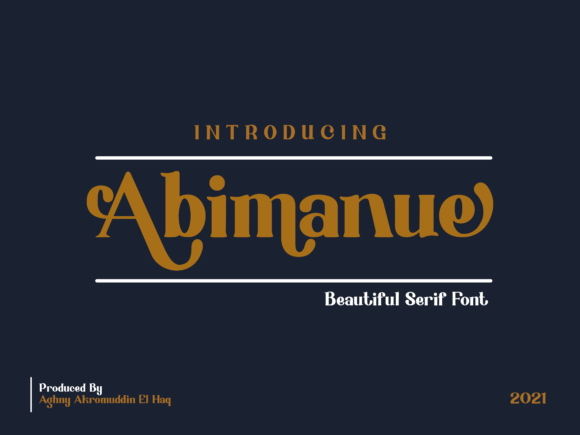
Abimanue: A Strategic Guide to This Cool, Authentic Display Font
In the world of design, typography is never just about letters. It is a fundamental pillar of visual communication, a silent ambassador for your brand, and a tool that can either clarify your message or muddle it completely. For professionals, entrepreneurs, and creators, the choice of a typeface is a strategic decision. This is where understanding a font like Abimanue becomes more than a matter of aesthetics; it becomes a question of effective positioning and intentional communication.
Understanding Abimanue: More Than Just a Cool Typeface
At first glance, Abimanue presents itself as a cool and authentic display font. Its character is distinct, designed to make a statement rather than recede into the background. This is its primary strategic value. Unlike body text fonts optimized for readability in long paragraphs, a display font like Abimanue is engineered for impact in headlines, logos, and key visual elements. Its authenticity lies in its unique personality, which can lend a specific tone—be it modern, artisanal, bold, or whimsical—to your project.
A critical feature that elevates Abimanue from a simple font file to a versatile design asset is its PUA (Private Use Areas) encoding. For the non-technical, this means the font comes packed with a rich set of alternate glyphs, swashes, and ligatures that are not accessible through standard keyboard input. With the right design software or a simple character map tool, you can unlock these extras, allowing for a high degree of customization. This feature directly supports creativity and brand differentiation, enabling you to craft logotypes and headlines that are truly one-of-a-kind.
Strategic Applications: When and How to Use Abimanue
The versatility of Abimanue makes it a potential asset across numerous projects, but its effectiveness hinges on context. Using it intentionally means aligning its personality with your goals.
For Branding and Positioning
Your brand’s visual identity is a core component of its positioning. Abimanue can be a powerful tool here, particularly for brands aiming to project a specific character. Consider a boutique coffee roaster, a creative agency, or a lifestyle blogger. The authentic, handcrafted feel of Abimanue can instantly communicate values of artistry, care, and uniqueness. By using it for your primary logo or key campaign headlines, you make an immediate emotional appeal to your target audience. The key is to ensure the font's vibe aligns seamlessly with your brand's core message and the expectations of your market.
In Marketing and Communication
Effective marketing cuts through the noise. A headline set in Abimanue can stop a scrolling user in their tracks, making it ideal for social media graphics, website hero sections, and email subject lines where first impressions are measured in milliseconds. When planning a marketing campaign, think of Abimanue as your tool for emphasis. Use it for the primary call-to-action or the central idea you want to etch into the viewer's mind. However, balance is crucial. Pair it with a clean, highly legible sans-serif or serif font for body text to ensure your message is not only seen but also easily understood.
Enhancing Creative Projects and Publications
For creators, publishers, and educators, Abimanue offers a way to inject personality into otherwise standard formats. A freelance designer can use it to create distinctive portfolio presentations. A blogger can use it for chapter titles in an e-book or for the masthead of their newsletter, creating a consistent and memorable brand touchpoint. An educator designing a workshop for adults might use it for slide titles to establish a more engaging and less formal tone. The goal is to use it to enhance the user experience, guiding the reader’s eye and creating visual interest without sacrificing clarity.
A Practical Framework for Intentional Use
Adopting any new design element, including Abimanue, benefits from a structured approach. This ensures it serves your larger objectives rather than becoming a distracting novelty.
- Define the Objective: Before you even install the font, ask: What is the goal of this design? Are you trying to increase brand recall, drive sales for a specific product, or establish a particular mood? Your answer will determine if and how Abimanue fits.
- Audit the Context: Consider where the font will be used. Is it for a digital-only application like a website, or will it be printed on packaging? Test its legibility at the intended size and on the target medium. A font that looks stunning on a high-resolution screen may lose its charm when printed small or viewed on a mobile device.
- Explore the Glyphs: Do not settle for the default characters. Dedicate time to exploring the full range of swashes and alternates offered by Abimanue’s PUA encoding. This exploration is where you can find the perfect flourish for a logo initial or a unique ligature that makes a headline sing. This step transforms you from a passive user to an active designer.
- Test for Hierarchy and Pairing: Good design relies on clear visual hierarchy. Use Abimanue for primary elements like H1 headings or logos, and pair it with a simpler, more neutral font for subheadings and body copy. Test various combinations to find one that feels balanced and professional.
Navigating the Risks: Avoiding Common Pitfalls
With a font as distinctive as Abimanue, the risk of misuse is real. Using it without clear goals or context can lead to several issues that undermine your strategic efforts.
- Overuse and Visual Fatigue: Using a strong display font for every piece of text is overwhelming. It dilutes its impact and can make a design feel chaotic and unprofessional. Reserve Abimanue for moments of emphasis.
- Legibility in Body Text: This is a critical technical and strategic consideration. Display fonts are not designed for long-form reading. Using Abimanue for paragraphs will frustrate readers and increase bounce rates, directly harming user experience and communication goals.
- Mismatched Tone: The "cool and authentic" style of Abimanue may not suit every industry. Using it for a corporate law firm or a medical practice might send the wrong signal, creating a disconnect between the visual brand and the service offered. Always ensure the font's personality aligns with your audience's expectations and your industry's norms.
- Neglecting Readability for Style: The decorative swashes, while beautiful, can sometimes hinder legibility if overused or applied awkwardly. Always prioritize the clear communication of your message. If a glyph makes a word harder to read, it is not serving your strategic purpose, no matter how stylish it looks.
Conclusion: Making Informed Typographic Choices
Ultimately, Abimanue is a specialized tool in your design toolkit. Its value is not inherent but is realized through thoughtful, strategic application. By understanding its strengths as a cool, authentic display font with versatile glyph options, you can leverage it to strengthen brand positioning, create more compelling marketing assets, and add a layer of professional polish to your creative work.
The process mirrors good business strategy: define your goals, understand your tools, test your assumptions, and always keep your audience's experience at the forefront. When you choose to use Abimanue, you are making a decision to communicate with more personality and impact. Ensure that decision is deliberate, and the results will speak for themselves.