Bohemian Cassidy: A Practical Look at This Handwriting Script Font
Choosing the right typeface is a foundational decision in any design project. It sets the tone, communicates personality, and can either elevate a concept or hold it back. For projects that call for a personal, human touch, script fonts are a common starting point. Among the many options available, Bohemian Cassidy is a handwriting script font that warrants a closer look. This article provides a balanced analysis of its characteristics, ideal applications, and how it fits within the broader landscape of script typography.
Understanding the Font's Core Character
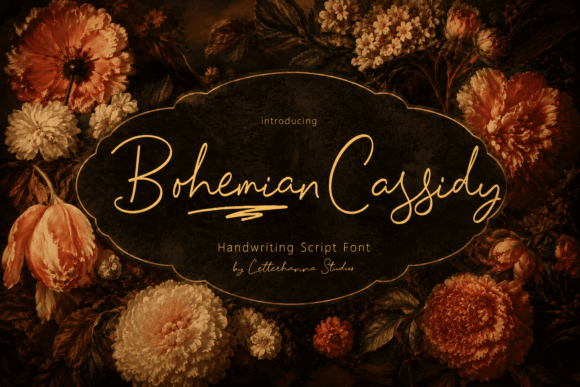
At its heart, Bohemian Cassidy is a fluid, connected script designed to mimic natural handwriting. Its letterforms feature a consistent baseline with gentle, organic variations in stroke width, giving it a warm and approachable feel without sacrificing legibility. The font's charm lies in its balance—it avoids the overly casual look of some handwritten fonts while steering clear of the rigid formality of traditional calligraphy.
One of its most significant practical features is its PUA (Private Use Areas) encoding. For designers, this means the font includes a comprehensive set of alternate characters, swashes, and ligatures accessible through standard design software. This allows for considerable customization, enabling users to create unique typographic compositions by mixing and matching glyphs. Instead of being limited to a single set of letters, you can craft signatures, headlines, or logos with a bespoke quality.
Comparative Strengths and Natural Tradeoffs
When evaluating Bohemian Cassidy, it's useful to compare it to other categories of script fonts. It sits comfortably between highly formal copperplate scripts and casual, marker-style hand-lettering.
- Against Formal Scripts: Fonts like Edwardian Script or Snell Roundhand are built for elegance and tradition, often used in luxury branding and formal invitations. Bohemian Cassidy offers a more contemporary and accessible vibe. Its tradeoff is a loss of that high-end, ceremonial gravitas, but it gains versatility for modern, friendly, or artistic contexts.
- Against Ultra-Casual Scripts: Fonts resembling rough pencil marks or quick notes excel in youthful, energetic designs but can appear unprofessional in business settings. Bohemian Cassidy provides more structure and polish, making it suitable for professional applications like logotypes and branding materials where a personal touch is needed without compromising on clarity.
A key strength of Bohemian Cassidy is its performance at display sizes. Its clear letterforms ensure it remains readable and impactful in headlines, posters, and banners. However, like most script fonts, it is not optimized for body text. Attempting to use it for long paragraphs would severely impair readability and user experience.
Practical Applications and Best-Fit Scenarios
Determining if Bohemian Cassidy is the right choice depends entirely on the project's goals and audience. Its personality is charismatic and creative, which makes it a strong candidate for specific use cases.
Ideal Projects for Bohemian Cassidy
This font shines in projects where a human, artistic, or bespoke impression is desired. Consider it for:
- Branding and Logotypes: For businesses in creative industries, artisanal products, boutique services, or personal coaching, the font can help establish a friendly and approachable brand identity.
- Event Stationery: Wedding invitations, save-the-dates, and event posters benefit from its romantic yet legible character. The swash alternatives allow for elegant customization of monograms and titles.
- Marketing Materials: Use it for headlines on brochures, social media graphics, or website hero sections to draw attention and inject personality. It pairs effectively with clean sans-serif or serif fonts for contrast.
- Digital Products: It can add a unique touch to e-book covers, digital planners, or greeting card templates.
When to Consider Other Options
There are scenarios where Bohemian Cassidy may not be the optimal tool. If the design requires:
- Maximum Formality: A project for a law firm, financial institution, or ultra-luxury brand might demand a more traditional and restrained script.
- Extensive Text Blocks: Any design involving reading-intensive content, such as articles, reports, or e-books, should rely on a highly legible sans-serif or serif for body copy.
- Grungy or Edgy Aesthetics: For designs aiming for a raw, street-art, or distressed look, a different category of display font would be more appropriate.
Design Integration and Font Pairing
The true potential of Bohemian Cassidy is often realized in how it's combined with other typographic elements. Its fluid nature creates dynamic contrast when paired with structured typefaces.
A common and effective strategy is to use Bohemian Cassidy for a single focal element—like a main headline, a company name, or a pull quote—and pair it with a neutral, complementary font for supporting text. For example:
- With a Serif: Combining it with a classic serif like Playfair Display or Libre Baskerville can create a sophisticated, editorial feel suitable for magazines or upscale branding.
- With a Sans-Serif: Pairing it with a clean sans-serif like Montserrat or Open Sans results in a modern, balanced layout. This is often a safe and effective choice for web design and corporate materials that want to appear approachable.
When using the swash alternates, restraint is key. Overusing decorative elements can clutter a design. A well-placed swash on an initial letter or a final stroke can add flair without overwhelming the viewer.
Making an Informed Decision
Evaluating Bohemian Cassidy ultimately comes down to alignment with your project's narrative. It is a tool designed for adding a charismatic, human element. Its value is not in universal application, but in targeted use where its specific qualities can enhance a message.
Before committing, it is advisable to test the font with your actual content. Type out key words and phrases to assess its readability and aesthetic in context. Experiment with the OpenType features in your design software to see if the alternates suit your vision. This hands-on trial is the most reliable way to determine if its personality resonates with your project's needs.
In the vast library of available fonts, Bohemian Cassidy occupies a useful niche. It offers a blend of expressiveness and practicality that, when used thoughtfully, can help create designs that feel both personal and polished. Its suitability hinges on the designer's ability to match its inherent character with the intended audience and purpose of the work.