Retro Hungry: Crafting Authentic Groovy Design Projects
The Power of a Display Font with Personality
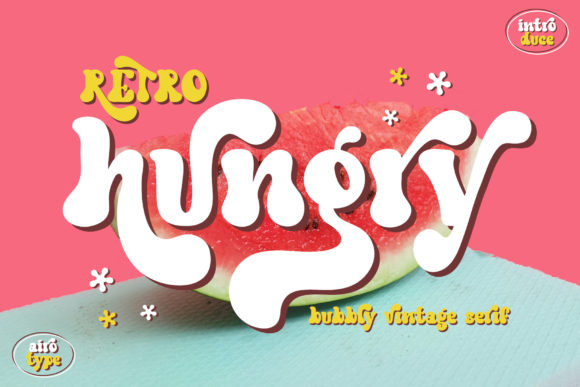
In the current digital landscape, standing out requires more than just clean lines and standard sans-serifs. Audiences are increasingly drawn to designs that evoke emotion, nostalgia, and authenticity. This is where Retro Hungry enters the conversation. It is not merely a typeface; it is a design tool characterized by its fresh yet groovy aesthetic. For professionals and creators looking to inject personality into their work, understanding how to leverage a display font like this can be the difference between a project that blends in and one that captures immediate attention.
Display fonts serve a specific purpose in typography hierarchy. They are designed for headings, logos, and short bursts of text where visual impact is paramount. Unlike body text fonts, which prioritize legibility over long paragraphs, Retro Hungry prioritizes style and mood. It channels the energy of past decades while maintaining a modern crispness, making it versatile enough for contemporary branding needs. Whether you are a freelancer designing a logo for a local café or a marketer creating social media assets, the font sets a distinct tone before the audience even reads the word.
Practical Application in Branding and Marketing
For small business owners and entrepreneurs, the visual identity of a brand is often the first point of contact with a customer. A font like Retro Hungry can communicate specific brand values—such as playfulness, creativity, or vintage authenticity—without a single paragraph of copy. When used for logos or headers, it helps establish a mood that resonates with target demographics who appreciate a nostalgic yet modern vibe.
Consider the practical workflow of a marketer creating assets for a campaign. Time is a resource that is always in short supply. One of the most significant advantages of using Retro Hungry is its technical construction. The font is PUA (Private Use Areas) encoded. In practical terms, this means that all glyphs, swashes, and stylistic alternates are fully accessible. You do not need to rely on complex design software features or specialized panels to access the extra characters. This accessibility allows creators to quickly swap out standard letters for more elaborate versions, saving valuable production time and reducing technical friction during the design process.
Enhancing Wedding Invitations and Stationery
The wedding industry relies heavily on typography to set the mood for an event. An invitation is not just information; it is a preview of the experience. Retro Hungry offers a solution for stationery designers who want to create pieces that feel personal and curated. The "groovy" style of the font lends itself well to themes ranging from bohemian outdoor weddings to retro-inspired receptions.
However, it is important to apply display fonts thoughtfully. While Retro Hungry excels at capturing the eye for names, dates, and headers, it is best paired with a clean, legible serif or sans-serif font for the smaller details, such as venue addresses or registry information. This pairing ensures that the invitation remains functional while still delivering the desired artistic flair. By using the swashes available within the font’s PUA encoding, designers can add flourishes to specific letters, creating a custom look that feels bespoke rather than mass-produced.
Maximizing Potential in Crafting and Sublimation
The rise of the creator economy has brought tools like Cricut and Silhouette machines into millions of homes. For hobbyists and professional crafters, font choice is critical, particularly when dealing with vinyl cutting and sublimation. A font with too many thin, overlapping lines can cause the vinyl to tear or the design to look messy when weeded.
Retro Hungry is structured in a way that supports these physical applications. Its display nature usually implies bolder strokes and distinct shapes, which translate well to physical media. When creating stickers, t-shirts, or tote bags, the font maintains its integrity even when scaled. The ability to access all glyphs easily means that crafters can personalize gifts or products with unique letterforms, adding value to handmade items. For sublimation projects, where ink bonds with fabric, the boldness of the font ensures that text remains readable on textured surfaces like canvas or cotton.
Solving Common Design Problems
Many designers struggle with finding a font that bridges the gap between "vintage" and "modern." Older retro fonts can sometimes look dated or pixelated, while hyper-modern fonts can feel cold. Retro Hungry addresses this by offering a fresh take on a classic style. It allows designers to tap into the current trend of 70s and 80s revivalism without making a design look like a historical artifact.
Furthermore, the issue of versatility is often a concern. A font might look great in a mockup but fail in application because it lacks necessary characters. Because Retro Hungry is designed for comprehensive projects, it includes the necessary components to handle diverse requirements. Whether the project involves a full branding kit or a single social media post, the font provides the flexibility needed to adapt to different contexts. It solves the problem of visual inconsistency by providing a cohesive style that can be modified using its built-in swashes.
Who Benefits Most from This Style?
While almost anyone can appreciate good typography, Retro Hungry is particularly beneficial for specific groups. Educators and publishers creating materials for younger audiences might find that the groovy style makes content more engaging and less intimidating. Bloggers looking to refresh their site headers can use it to create a signature look that becomes part of their brand recognition.
Entrepreneurs launching lifestyle brands, particularly in the food, fashion, or wellness sectors, will find that the aesthetic aligns well with market trends that favor authenticity and character. It is also a strong choice for anyone involved in the music industry or event promotion, where the energy of the text needs to match the energy of the product.
Considerations for Effective Implementation
While the benefits are clear, effective implementation requires strategy. Retro Hungry is a display font, meaning it is best used for emphasis rather than bulk text. Using it for long paragraphs would likely result in readability issues, which is a common trait of decorative typefaces. The key to using it effectively is contrast.
When designing, consider the hierarchy of your information. Use Retro Hungry for the most important element—the hook that draws the viewer in. Then, transition to a neutral font for the supporting details. This approach not only ensures readability but also makes the display font pop even more. Additionally, because the font is PUA encoded, users should take the time to explore the character map. There are often hidden gems in the alternate characters that can transform a standard word into a piece of art. Taking a few extra minutes to explore these options can significantly elevate the quality of the final design.
In conclusion, Retro Hungry offers a practical solution for creators seeking a blend of vintage charm and modern utility. Its accessibility, combined with its distinct style, makes it a valuable asset for a wide range of projects, from digital branding to physical crafting. By understanding its strengths and applying it with strategic intent, users can enhance their creative output and connect with their audiences more effectively.