The Electric Glow: Embracing the Neon 80s Aesthetic in Modern Design
There is a distinct sensation that hits you when you see a perfect shade of electric pink against a deep, midnight blue. It is a feeling of electricity, a hum of synthesizers, and the visual equivalent of a sports car speeding through a rain-slicked city at night. This is the world of the Neon 80s, a design language that refuses to dim. It is more than just bright colors; it is a philosophy of bold expression, high contrast, and a playful nostalgia that resonates deeply in our current digital landscape. Whether you are designing a poster for a retro-themed party, curating a social media feed, or building a website for a modern tech startup, tapping into this vintage aesthetic can transform the mundane into the magnetic.
The allure of this era lies in its unapologetic optimism. The 1980s were defined by excess, futurism, and a fascination with the horizon. Today, we look back at that time not with irony, but with a genuine appreciation for its graphic weight. The Neon 80s style is characterized by high-energy visuals—think the grid lines of a Tron landscape or the haze of a Miami sunset. It captures a specific "feeling" that modern, minimalist design often misses: the feeling of excitement. By integrating these elements, you are not just decorating; you are evoking an emotion. You are telling your audience that something fun, dynamic, and slightly rebellious is happening here.
The Anatomy of Retro-Futurism
To successfully implement this aesthetic, one must understand its components. It is not enough to simply use bright colors; the magic is in the texture and the typography. The Neon 80s look relies heavily on gradients, glows, and a sense of dimensionality. We often see chrome effects, scanlines, and that signature vaporwave color palette—vibrant magentas, cyans, and purples.
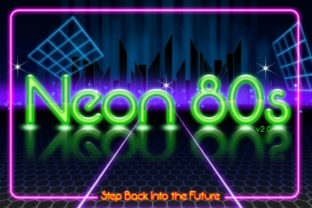
However, the true anchor of this style is the typography. The era was dominated by a shift away from the stiff serifs of the past toward the clean, geometric lines of the future. This is where the sans-serif font becomes the hero of your design. A typeface that mimics the tube lighting of a vintage sign adds an immediate "retro touch" to any project. It feels playful yet structured. When you use a font that embodies the Neon 80s ethos, you are essentially writing with light. It commands attention without shouting, drawing the eye with its inherent glow.
Typography as a Time Machine
Consider the practical application of this font choice. In a sea of corporate, sterile sans-serifs that dominate the modern web, a stylized retro font stands out immediately. It signals a break from the norm. If you are launching a podcast about pop culture history, a vaporwave album, or a mobile game, this typography is your strongest asset. It does the heavy lifting of branding for you. The moment a user sees that distinct lettering, they understand the vibe. They are primed for entertainment.
The versatility of this typography is surprising to many. While it shines on "dark mode" backgrounds, mimicking a neon sign in a window, it can also be used on lighter, textured backgrounds to simulate printed materials from the era, like flyers or VHS covers. The key is the font's geometry. The Neon 80s sans-serif style usually features rounded edges or distinct cuts that catch the "light," making it highly legible even when used in decorative contexts.
Modern Workflows and Practical Integration
How does a style born in the age of cassette tapes fit into a workflow defined by cloud computing and vector design? Surprisingly well. The modern design toolkit is perfectly suited for the Neon 80s revival. Software like Photoshop, Illustrator, and even Canva allows for complex layering, outer glows, and gradient maps that make creating this look accessible to professionals and hobbyists alike.
For web designers, this aesthetic offers a way to break the grid of standard UI design. While you don't want to make body text unreadable, using neon elements for navigation bars, hero images, or call-to-action buttons can significantly increase user engagement. It adds a layer of "delight" to the user experience. Similarly, in video editing, adding a neon glow to text overlays or transitions can instantly elevate a simple vlog into a stylized piece of content that feels high-budget and intentional.
- Social Media Graphics: Use neon text to announce sales, drops, or events. It stops the scroll because it contrasts with the typical content found in a feed.
- Merchandise: The Neon 80s look translates incredibly well to print-on-demand products. T-shirts, mugs, and tote bags featuring retro typography sell consistently well because they tap into a broad demographic of nostalgia lovers.
- Event Branding: From synthwave concerts to gaming tournaments, the neon aesthetic provides an instant atmospheric shorthand.
The Back to the Future Influence
It is impossible to discuss this aesthetic without acknowledging the cinematic titan that defined it: Back to the Future. The film did more than just entertain; it visually codified what "the future" looked like from the perspective of the 80s. The Neon 80s vibe is deeply indebted to the DeLorean, the glowing flux capacitor, and the specific typography used on the movie posters.
This cinematic connection is a powerful tool for designers. When you incorporate elements that feel like Back to the Future, you are borrowing from a shared cultural memory. You are invoking themes of time travel, adventure, and the sleekness of retro-futurism. This is particularly effective in the tech industry. Startups often use this aesthetic to suggest innovation and speed. It says, "We are building the future," but with a friendly, familiar face. It softens the edges of hard technology, making it feel more human and approachable.
Color Theory in the Glow
The specific color choices of the Neon 80s palette are not arbitrary; they are functional. These colors—electric blue, hot pink, and acid green—have high visibility. In design terms, they pop. They create a focal point instantly. This is why they are so effective for call-to-action buttons or important headlines. You don't have to squint to find the information; the neon glow guides you there.
However, balance is crucial. A design that is 100% neon can become visually exhausting. The best implementations of the Neon 80s style use dark, moody backgrounds to let the bright colors breathe. Think of a dark city street at night; the neon sign only works because the surrounding darkness provides contrast. In your designs, pair your glowing sans-serif fonts with deep purples, blacks, or dark grays. This creates depth and allows the "light" effect of the typography to truly shine. It mimics the physics of light, adding a layer of realism to the stylized design.
Choosing the Right Elements
When selecting assets for your project, consistency is key. If you commit to the Neon 80s look, ensure your entire design speaks the same language. This means looking beyond just the font. Consider the background textures. Adding a subtle film grain or scanline overlay can instantly age a digital image, giving it that vintage VHS quality that pairs perfectly with neon typography.
Look for sans-serif fonts that offer a "hollow" or "outline" style. This allows you to place a texture or a gradient inside the letters, simulating the glass tube of a neon sign. If the font comes with a pre-made "glow" effect, use it sparingly. Often, the default glow is too harsh. It is usually better to create your own glow effect manually using a drop shadow or outer glow layer style, allowing you to control the spread and opacity for a more realistic result.
Furthermore, consider the context of your audience. The Neon 80s aesthetic is universally recognized, but it carries different weights for different generations. For older audiences, it is pure nostalgia—a callback to their youth. For younger audiences (Gen Z and Alpha), it represents "aesthetic" culture, vaporwave, and a fascination with a time before the internet. It feels authentic and cool. By using this style, you bridge the gap between these demographics, creating a visual language that is both retro and timeless.
Maintaining Relevance
Trends come and go, but the Neon 80s look has proven to have serious staying power. It has evolved from a fleeting trend into a permanent design niche. It is no longer just about the 80s; it is about a specific vibe of coolness and futurism. To keep your designs fresh, mix these retro elements with modern design principles. Use the neon font for headers, but pair it with a clean, modern sans-serif for body text. Use the retro colors, but arrange them in a minimalist layout.
This fusion of old and new is where the magic happens. It acknowledges the past while looking forward. It allows you to create designs that feel rich with history but perfectly suited for the modern web. The Neon 80s aesthetic is a playground for creativity. It encourages boldness. It invites you to turn up the brightness, add a little glow, and step into a world that is vibrant, electric, and undeniably fun.
Ultimately, using this style is about capturing a feeling. It is about the excitement of a Friday night, the thrill of a high-speed chase, and the wonder of a future imagined. By leveraging the power of the sans-serif font and the iconic color palette, you can deliver an incredible vintage aesthetic that resonates with users on an emotional level. So go ahead, flip the switch, and let your designs glow.