Better Be Lovely: A Sweet Serif Font for Special Moments
Finding the right typeface for a personal project can feel like a surprisingly high-stakes decision. You want a font that captures the exact emotion you're aiming for—be it joy, elegance, or warmth—without looking generic or overly formal. This is where Better Be Lovely enters the conversation. It’s not just another script or serif; it’s a carefully designed typeface that blends a classic, readable structure with a distinctly sweet and romantic personality. For anyone crafting materials for life’s most heartfelt occasions, understanding what this font offers can be the key to creating something truly memorable and effective.
Understanding the Core Appeal of Better Be Lovely
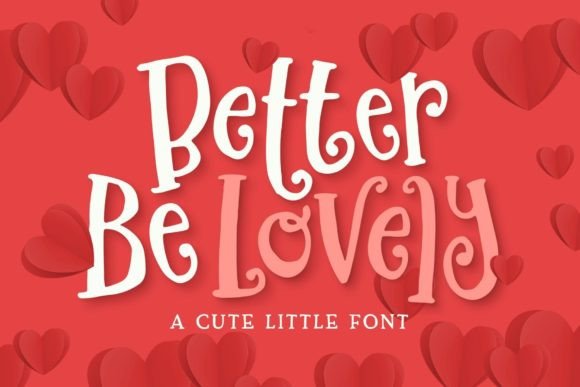
At its heart, Better Be Lovely is a cute little serif font. This classification is important. Unlike stark, modern sans-serifs or overly ornate scripts, a serif font with a gentle, rounded character provides a foundation of readability while still feeling personal and warm. The "lovely" aspect comes from its subtle curves and friendly demeanor, making it approachable rather than intimidating. It strikes a balance that works beautifully for both digital screens and printed materials, ensuring your message is clear and inviting in any format.
The standout feature, however, is its inclusion of an alternate version. This isn't just a minor stylistic tweak; it's a practical tool for customization. The alternate version provides different letterforms for certain characters, allowing you to mix and match until the visual flow of your text is just right. This means you can adjust the look of a name, a title, or a headline to avoid awkward letter combinations or to add a unique, handcrafted touch. For a designer or a DIY enthusiast, this level of control is invaluable. It transforms the font from a static tool into a dynamic partner in the creative process, helping you solve specific typographic challenges and achieve a more polished, intentional result.
Where Sweet and Romantic Typography Truly Shines
The practical value of Better Be Lovely becomes most apparent when you apply it to specific, emotion-driven projects. Its inherent character is perfectly suited to announcements and invitations where the goal is to convey love, joy, and celebration.
Consider birth announcements. The arrival of a new baby is a moment of pure sweetness, and the typography used to share the news should reflect that. Better Be Lovely’s gentle serif style feels soft and welcoming, avoiding the harshness of geometric fonts. It’s easy to read for grandparents and friends alike, yet it carries a distinct charm that a standard corporate font simply cannot provide. Using the alternate letters to perfect the spelling of the baby's name adds a layer of personal care that recipients will notice and appreciate.
Similarly, for Valentine's cards or romantic correspondence, the font’s romantic feel is a natural fit. It can elevate a simple "I love you" into a beautifully typeset sentiment. The ability to adjust letters means you can ensure the names or key phrases in your design have a perfect, flowing rhythm, enhancing the overall aesthetic and emotional impact of the card. This moves your creation from a simple note to a keepsake.
Perhaps the most significant application is in wedding invites and related stationery. The font choice for a wedding suite sets the tone for the entire event. Better Be Lovely offers a sweet, romantic vibe without being overly whimsical or difficult to read. It’s sophisticated enough for elegant affairs yet warm enough for rustic, intimate gatherings. Using it for the couple's names on the invitation, the details on the RSVP card, and the thank you notes creates a cohesive and beautiful visual identity for the wedding. The mix-and-match capability allows for perfect customization of the couple's names, ensuring they look harmonious and unique.
Beyond the Occasion: Practical Applications for Creators and Professionals
While its strengths are clear for personal milestones, the utility of Better Be Lovely extends to various professional and creative fields where a touch of warmth and personality is needed.
Small business owners, particularly those in boutique retail, artisanal crafts, or wedding services, can use this font to strengthen their brand communication. A bakery specializing in custom cakes, a florist, or a stationery designer could use Better Be Lovely in their logo, on packaging, or in marketing materials to immediately convey a sense of care, quality, and handcrafted appeal. It helps build a brand identity that feels personal and trustworthy.
Bloggers and content creators focused on lifestyle, parenting, DIY, or romance niches can find it a valuable asset. Using Better Be Lovely for featured images, pull quotes, or chapter headings in a digital guide can break up text, add visual interest, and reinforce the blog's friendly, approachable voice. It’s a subtle way to enhance reader engagement and make content more shareable.
For educators and freelancers creating materials like classroom newsletters, client welcome packets, or digital products, the font can soften the tone of communication. It makes information feel more accessible and less bureaucratic, which can improve rapport and client satisfaction. A freelance graphic designer might use it in mockups for clients in the lifestyle sector to quickly evoke the right mood.
Making the Most of Better Be Lovely: Tips and Considerations
To achieve the best results with Better Be Lovely, a thoughtful approach is helpful. First, explore the alternates thoroughly. Don't just settle for the default setting. Experiment with the different letterforms in your headline text. Sometimes, swapping just one or two letters can dramatically improve the visual balance and flow. This is especially important for names or short, impactful phrases.
Second, consider pairing it wisely. While it can stand alone for short text, for longer body copy in a document, you might pair it with a very clean, simple sans-serif. This creates a pleasing contrast, allowing the sweet serif to headline while the sans-serif ensures effortless readability for paragraphs. For example, use Better Be Lovely for the "Welcome" and "Details" headings on an invitation, and a font like Lato or Open Sans for the smaller text.
It's also important to recognize its fit. Better Be Lovely is designed for specific emotional contexts. If you're designing a corporate financial report, a technical manual, or a minimalist tech brand, its sweet and romantic nature would likely feel out of place. In such scenarios, comparing it to more neutral or serious serif or sans-serif options would be necessary. Its strength is in its specificity—it solves a particular design problem brilliantly, but not every problem.
Finally, test it in context. View your design at the actual size it will be used, whether on a phone screen or a printed card. Ensure the letterforms remain distinct and the overall feel translates as intended. Its charm is in the details, so paying attention to kerning (letter spacing) will help it look its absolute best.
In the end, Better Be Lovely is more than just a font file. It's a tool for infusing communication with a specific, desirable emotion. For anyone tasked with announcing a birth, celebrating a love, or building a brand with a personal touch, it offers a reliable and customizable way to ensure the typography isn't just functional, but truly meaningful. It helps turn a simple message into a lovely experience.