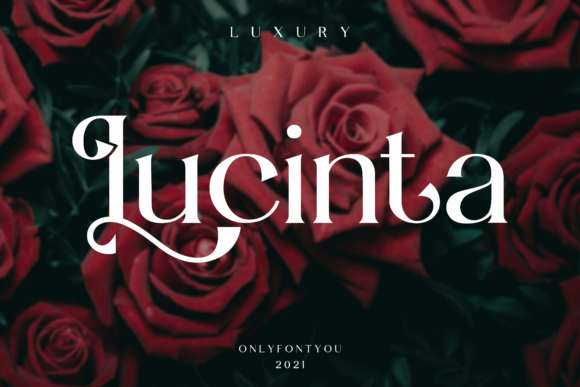
Celline: The Elegant Serif Font That Elevates Your Design Projects
There’s a moment in every creative project where the right font changes everything. You’ve spent hours refining the layout, selecting colors, and arranging elements, but something still feels off. Then you try a typeface that just clicks—suddenly, the design has personality, clarity, and that elusive professional polish. That’s the kind of experience many designers and creatives have when they discover Celline, an elegant and authentic serif font that brings a touch of sophistication to any visual project.
Celline isn’t just another serif typeface. It carries a distinct personality—ravishing yet refined, classic yet contemporary. Its letterforms are crafted with a keen eye for balance and beauty, making it a versatile tool for anyone looking to create designs that feel both luxurious and approachable. Whether you’re working on branding, editorial layouts, or digital content, Celline offers a seamless blend of style and functionality that can elevate your work in ways you might not expect.
Why Designers Keep Reaching for Celline
One of the standout qualities of Celline is its ability to adapt to different contexts without losing its character. It’s a font that feels at home in a high-end fashion magazine just as much as it does on a wedding invitation or a boutique product label. This versatility comes from its carefully balanced proportions and subtle details—think elegant swashes, graceful curves, and a rhythm that makes text easy to read while still feeling special.
For graphic designers, this means fewer compromises. You don’t have to choose between a font that looks beautiful and one that works well in body text. Celline handles both with ease, making it a practical choice for projects where visual impact and readability are equally important. Its PUA encoding is another significant advantage, as it allows you to access all glyphs, swashes, and alternates without needing specialized software or complex workarounds. This opens up a world of creative possibilities, from custom ligatures to decorative initials, all at your fingertips.
Real-World Applications: Where Celline Truly Shines
Let’s talk about where Celline can make a tangible difference in your projects. If you’re a branding designer, you know how crucial it is to choose a typeface that communicates a brand’s essence at a glance. Celline’s elegant yet authentic character makes it an excellent choice for luxury brands, boutique businesses, or any company aiming to convey sophistication and trust. Imagine using it for a cosmetics brand’s logo, a high-end restaurant’s menu, or a jewelry designer’s lookbook. The font adds an instant layer of credibility and aesthetic appeal that can help a brand stand out in a crowded market.
In the world of editorial and publishing design, Celline proves equally valuable. Its readability in longer text passages makes it suitable for book covers, magazine headlines, and feature articles. The swashes and alternates can be used sparingly for drop caps or pull quotes, adding visual interest without overwhelming the reader. For self-publishing authors or small publishing houses, Celline offers a professional typographic solution that can make a manuscript feel polished and ready for print.
Wedding stationery and event design is another area where Celline excels. The font’s romantic and refined style is perfect for invitations, programs, place cards, and thank-you notes. Its versatility allows for both formal and semi-formal applications, depending on how you pair it with other design elements. Many stationery designers appreciate how Celline can create a cohesive look across an entire event suite, tying together different pieces with a consistent and elegant typographic voice.
Digital creators and content producers also find Celline useful for enhancing their visual presence. Whether it’s for social media graphics, website headers, or digital ads, the font helps create a polished and professional look that captures attention. In a digital landscape where first impressions are often made in milliseconds, having a typeface that conveys quality and care can make a significant difference in engagement and perception.
Choosing and Using Celline: Practical Considerations
While Celline is a versatile and powerful font, it’s worth considering a few practical aspects before incorporating it into your projects. First, think about the context and audience. Celline’s elegant style may not be the best fit for every situation—for example, a tech startup aiming for a cutting-edge, minimalist aesthetic might find it too traditional. However, for projects that benefit from a touch of class and timelessness, it’s often an ideal choice.
Pairing is another important consideration. Celline works beautifully with clean, modern sans-serifs for contrast, or with other serif fonts that have complementary characteristics. Experimenting with different pairings can help you find the right balance for your design. Also, pay attention to weight and spacing—Celline’s details are best appreciated when given enough breathing room, so avoid setting it too tightly, especially in larger sizes.
One of the strengths of Celline is its extensive glyph set, thanks to its PUA encoding. This means you have access to a wide range of stylistic alternates, swashes, and ligatures that can add unique flair to your designs. However, it’s important to use these features thoughtfully. Overusing decorative elements can make text harder to read or feel cluttered. A good rule of thumb is to use swashes and alternates for emphasis or display purposes, rather than for extended passages of text.
For those concerned about performance, Celline is designed to work well across different media and devices. Whether you’re designing for print or digital, the font maintains its clarity and elegance. That said, always test your designs in their intended environment—what looks perfect on screen might need slight adjustments for print, and vice versa.
The Emotional Impact of Thoughtful Typography
There’s an often-underestimated emotional dimension to font choice. Typography doesn’t just convey words; it conveys feeling, tone, and intention. Celline, with its ravishing style and authentic character, has the ability to evoke emotions of elegance, care, and attention to detail. When someone receives a beautifully designed invitation set in Celline, they don’t just see the information—they feel the effort and thoughtfulness behind it. This emotional resonance can strengthen brand loyalty, enhance user experience, and make communications more memorable.
Think about the last time a piece of design truly caught your eye. Chances are, typography played a key role. Celline offers a way to achieve that level of impact without sacrificing practicality. It’s a font that encourages you to slow down, consider your design choices, and create something that truly resonates with your audience.
In a world where so much content feels rushed and generic, taking the time to choose a typeface like Celline can set your work apart. It’s not just about following trends; it’s about making intentional choices that reflect the quality and care you put into your projects. Whether you’re a seasoned designer or just starting out, exploring the possibilities of Celline can open new creative avenues and help you produce designs that are not only beautiful but also effective.