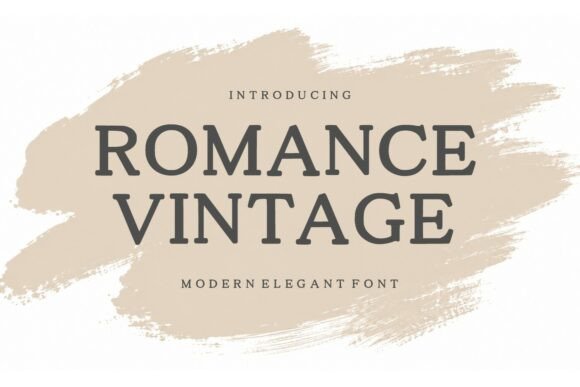
Understanding Romance Vintage: A Guide to Its Use and Alternatives
In the landscape of digital typography, choosing a font is rarely about finding a single "best" option. It is an exercise in matching a tool to a specific task. The typeface known as Romance Vintage occupies a particular niche, one that blends historical aesthetic cues with contemporary design principles. For professionals evaluating typefaces for branding, editorial work, or event materials, understanding where this font fits—and where it might not—is a practical necessity.
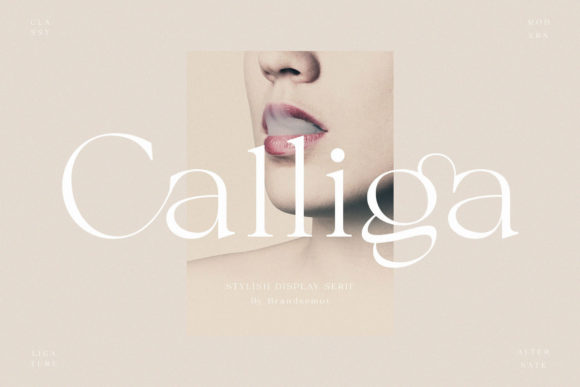
Romance Vintage is fundamentally a modern serif typeface. Its design language draws inspiration from romantic typography and heritage aesthetics, yet it avoids appearing overly ornate or archaic. The letterforms feature refined proportions and graceful curves, which aim to create a visual presence that feels both luxurious and accessible. This balance is its primary distinction. Unlike purely historical revivals, which can sometimes feel dusty, or starkly modern sans-serifs, which can feel cold, this font attempts to occupy a middle ground. It offers a sense of warmth and nostalgia while maintaining the clean lines required for modern readability and digital application.
Core Characteristics and Design Philosophy
The design of Romance Vintage is built on a foundation of classic serif details. This includes features like subtle bracketing on serifs, moderate stroke contrast, and carefully considered kerning. These elements contribute to its "timeless" quality. The goal is not to replicate a specific historical period but to evoke the elegance associated with them. For a designer, this means the font carries a built-in mood: sophistication, exclusivity, and a touch of warmth. This makes it a strong candidate for projects where the emotional tone is as important as the textual information itself.
Its versatility is a key point of evaluation. The typeface is designed to function across different scales. In large display settings, such as logos or magazine headlines, its curves and serifs can be appreciated as graphic elements. In smaller body text, its proportions aim to maintain legibility. This dual capability is not universal among serif fonts; some are designed exclusively for headlines and become cumbersome in paragraphs, while others optimized for body text can lack impact at display sizes. Romance Vintage positions itself as a workhorse with a specific stylistic personality.
Evaluating Fit: When to Consider This Typeface
Determining if Romance Vintage is the right choice involves analyzing the project's goals and audience. It tends to excel in scenarios where a brand or product wants to communicate premium quality, heritage, or a romantic sensibility. This includes, but is not limited to, the following applications:
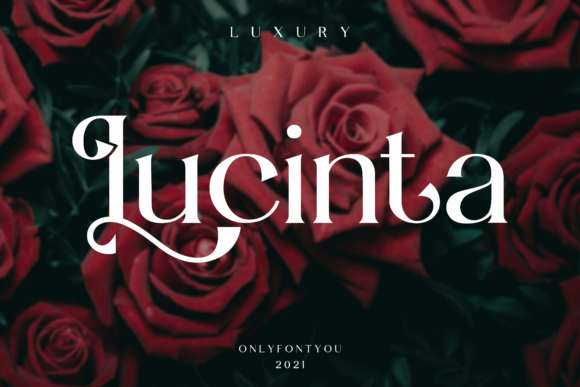
- Branding for Luxury and Lifestyle: Businesses in fashion, beauty, cosmetics, or boutique hospitality often seek to convey exclusivity and care. The elegant letterforms of this font can support that narrative without resorting to cliché.
- Event Stationery: For wedding invitations, gala programs, or upscale event materials, the font's romantic and refined character aligns naturally with the desired atmosphere.
- Editorial and Packaging: Magazine layouts, book covers, and cosmetic packaging benefit from typefaces that can establish a tone quickly. Here, the vintage charm paired with modern clarity can be effective.
In these contexts, the font acts as a design asset that contributes to the overall experience. It is chosen not just for what it says, but for how it makes the viewer feel. The decision, therefore, is less about pure typographic function and more about emotional resonance and brand alignment.
Comparing Alternatives and Weighing Tradeoffs
No typeface exists in a vacuum. When considering Romance Vintage, it is helpful to compare it against broader categories of alternatives to understand its tradeoffs.
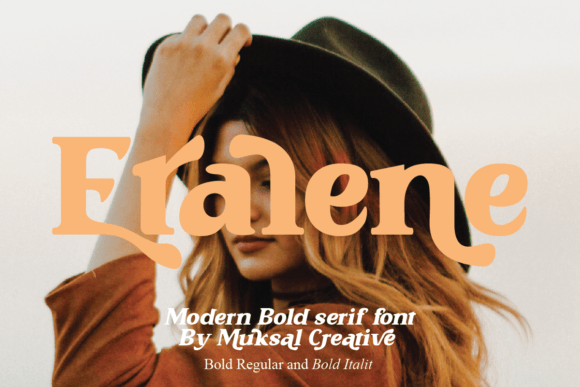
Against Traditional Serif Fonts: Fonts like Garamond or Baskerville are timeless standards. They offer immense historical pedigree and proven readability. Compared to these, Romance Vintage may feel more stylized and less neutral. If the project requires a typeface to disappear into the background, a classic serif might be preferable. If the font needs to make a subtle stylistic statement, the modern vintage approach could be more suitable.
Against Modern Sans-Serifs: Clean sans-serifs like Helvetica or Futura project modernity, simplicity, and efficiency. They are often the default for tech and minimalist design. Choosing Romance Vintage over such options is a deliberate move away from austerity and towards warmth and ornamentation. The tradeoff is a different kind of visual impact, one that may feel less contemporary in certain, fast-moving industries.
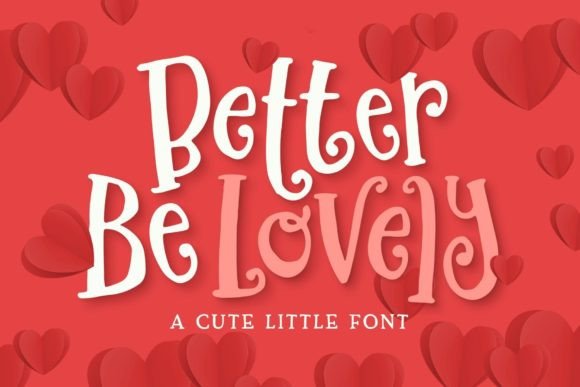
Against Decorative Display Fonts: Highly decorative or script fonts can convey romance and luxury powerfully, but often at the cost of readability and versatility. Romance Vintage positions itself as more restrained. It provides a hint of that decorative feel while remaining functional for longer text passages. The limitation is that it may not be as overtly "fancy" as a dedicated script font for a singular, short headline.
Practical Decision Factors
When evaluating Romance Vintage alongside other options, several practical factors should guide the decision:
- Readability in Context: Test the font in the exact size and medium for your project. Does it remain clear in a paragraph of body text on a screen? Is it impactful enough in a logo at a small size? Your own testing is the final arbiter.
- Licensing and Usage Rights: Ensure the font's license covers your intended use—whether for web embedding, print production, or merchandise. This is a universal consideration for any commercial typeface.
- Font Family Breadth: Does the font come with multiple weights (light, regular, bold, italic) and styles? A broader family offers more design flexibility for creating hierarchy and emphasis within a project.
- System and Software Compatibility: Verify that the font files are compatible with your design software and that any web versions are optimized for performance to avoid slowing down page loads.
Ultimately, Romance Vintage is a specialized tool. Its value is not in being universally applicable, but in being exceptionally well-suited for a specific aesthetic and emotional goal. For designers working on projects that require a blend of nostalgic elegance and contemporary sophistication, it presents a coherent and ready-made solution. For projects demanding stark neutrality, ultra-modern minimalism, or extreme decorative flair, other categories of typography will likely serve better. The most informed choice comes from aligning the font's inherent character with the story your project needs to tell.