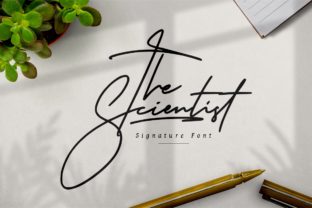
The Scientist: Redefining Handwritten Elegance for Modern Creatives
In a digital landscape saturated with uniformity, the human touch has become a powerful differentiator. This is where The Scientist emerges not just as a typeface, but as a bridge between classical artistry and contemporary design. It represents a shift in how we approach typography—moving away from sterile, geometric precision toward something that feels personal, warm, and intentionally crafted. For designers, entrepreneurs, and creators, understanding the value of a font like this is key to connecting with audiences who crave authenticity.
The Renaissance of Handwritten Typography
For years, the design world leaned heavily into minimalism and sans-serif fonts that prioritized legibility on screens. However, recent trends indicate a significant pendulum swing back toward personality. Users are tired of generic interfaces and stock-standard branding. They want to see the "human" behind the business. This has sparked a renewed interest in handwritten fonts and calligraphic styles.
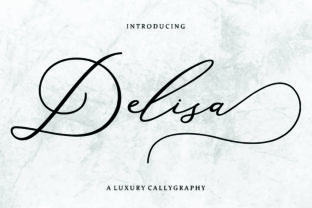
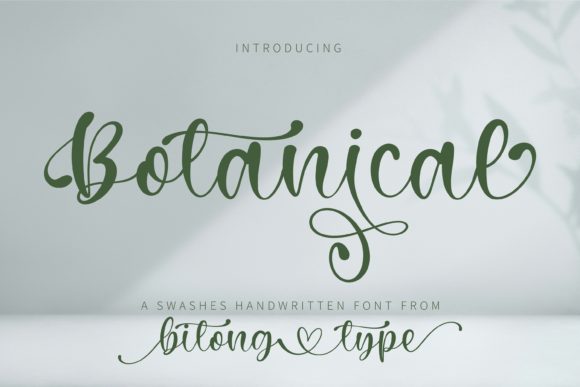
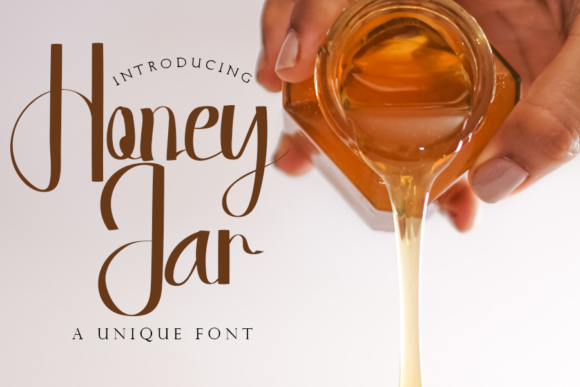
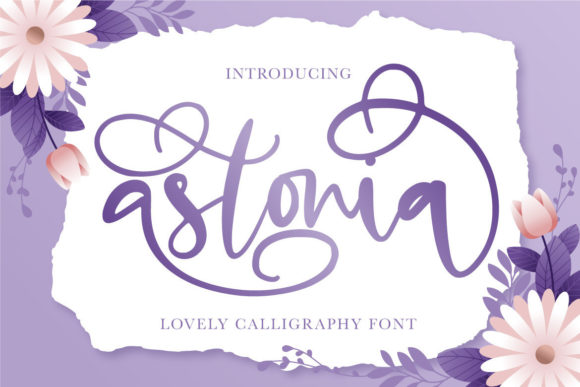
The Scientist sits at the intersection of this evolution. It is not a chaotic scrawl; it is a refined interpretation of penmanship. While it retains the fluidity of a hand-drawn script, it avoids the illegibility often associated with cursive fonts. This balance is crucial for modern workflows where a font must look beautiful and function well across different mediums. It captures the essence of the "analog revival"—a movement where creators seek the warmth of physical materials within digital constraints.
Balancing Calligraphic Influence with Contemporary Needs
What makes The Scientist particularly relevant today is its ability to simplify elegance. In typography, "elegance" often implies complexity—swashes, ligatures, and intricate strokes. While these are beautiful, they can be impractical for quick digital consumption. The Scientist strips away the unnecessary ornamentation while keeping the soul of the script intact.
This font maintains a classy calligraphic influence that speaks to tradition, yet it feels contemporary and fresh. This duality is essential for brands that want to appear established but approachable. Consider the changing habits of consumers: we scroll quickly, scan content, and make snap judgments. A font that is too ornate becomes a barrier to communication. A font that is too plain fails to evoke emotion. The Scientist finds the middle ground, offering a reading experience that feels like a personal note from a trusted friend rather than a corporate memo.
Practical Applications for Business and Branding
For professionals and business owners, the choice of typography is a strategic decision. It dictates the tone of voice before a single word is read. The Scientist offers specific practical implications for various business needs:
- Brand Identity: For businesses in the lifestyle, wellness, or creative sectors, this font can serve as a primary headline typeface. It signals that the brand values quality and attention to detail.
- Stationery and Correspondence: In an era of email overload, a beautifully typeset digital letterhead or a physical thank-you note stands out. The Scientist is ideal for stationery, lending an air of sophistication to correspondence.
- Packaging Design: Product packaging needs to grab attention on the shelf. The handwritten nature of this font adds a tactile quality to labels, suggesting a handmade or artisanal product even if it is mass-produced.
- Marketing Materials: From social media graphics to brochures, using a font like The Scientist for titles and letterheads can break the visual monotony of standard corporate fonts.
Empowering Creators and Hobbyists
The relevance of The Scientist extends beyond the corporate boardroom. For hobbyists, educators, and freelancers, this typeface democratizes high-quality design. Previously, achieving a calligraphic look required hiring a specialist or mastering hand-lettering oneself. Now, with accessible digital tools and fonts like this, creators can elevate their projects instantly.
Imagine a teacher creating worksheets that feel inviting and fun, or a freelancer designing a portfolio that reflects their unique artistic voice. The Scientist allows for this expression. It is versatile enough to adapt to the creator's mood—feeling playful in one context and serious in another. This adaptability aligns with the modern creator's need for tools that are flexible and multi-functional.
Adapting to Modern Workflows and Technology
As we look at the technological landscape, the requirements for fonts have changed. We are no longer designing solely for high-resolution print. Fonts must render beautifully on small mobile screens, adapt to responsive web design, and load quickly. The Scientist is designed with these modern workflows in mind.
The clean lines and consistent spacing ensure that it remains legible even at smaller sizes or lower resolutions. This is a critical factor for UX/UI designers who need to maintain readability while adding personality to an interface. Furthermore, the font's versatility allows it to pair well with sans-serifs and serifs alike, making it a reliable asset in any designer's toolkit. It fits seamlessly into the ecosystem of modern design software, supporting the fast-paced iteration cycles that define today's creative industry.
The Psychology of "Crafty" Ideas
There is a psychological component to the rise of fonts like The Scientist. We associate handwritten text with effort, care, and individuality. In a world of automated chatbots and algorithmic feeds, a "crafty" aesthetic suggests that a human took the time to create something special.
This font appeals to a wide range of crafty ideas because it taps into this desire for the personal touch. Whether it is used for a wedding invitation, a boutique logo, or a blog header, it communicates a message of bespoke quality. It suggests that the content behind the text has been curated with the same care as the typography itself. This psychological resonance is why we are seeing a market preference for organic, imperfect, and human-centric design elements.
Future-Proofing Your Design Toolkit
While design trends are cyclical, the appreciation for quality craftsmanship is timeless. The Scientist is not merely a fleeting trend; it is an evolution of the handwritten genre. By simplifying elegance, it ensures longevity. It does not rely on gimmicks that will look dated in a year. Instead, it relies on the enduring appeal of the human hand.
For designers and creators looking to future-proof their work, incorporating versatile typefaces like this is a smart strategy. It allows for the creation of content that feels current today but will still hold its aesthetic value tomorrow. As the digital world continues to evolve, the need to inject humanity into our pixels will only grow. The Scientist provides a sophisticated, practical, and beautiful way to do exactly that.