Lovatine: The Script Font Capturing Modern Elegance in Digital Design
In the ever-evolving landscape of digital typography, a select few typefaces manage to strike a chord that resonates across diverse creative disciplines. Lovatine is one such font, a lovely and delicate script that has garnered attention for its ability to infuse projects with an immediate sense of elegance and class. It’s more than just a set of characters; it’s a design tool crafted for those seeking a beautiful and refreshing aesthetic. As visual communication becomes increasingly nuanced, understanding the role of a specialized font like Lovatine is key for creators aiming to connect with their audience on a more refined level.
The Enduring Appeal of Script Fonts in a Clean-Design Era
The design world has, for some time, been dominated by minimalist sans-serifs and clean, geometric forms. This trend prioritizes legibility and a certain corporate neutrality. However, a counter-movement is steadily gaining momentum: the reintroduction of personality, warmth, and human touch. This is where script fonts find their renewed relevance. They serve as a deliberate contrast to the sterility of overly minimalist layouts, adding a layer of emotional texture that plain text cannot achieve.
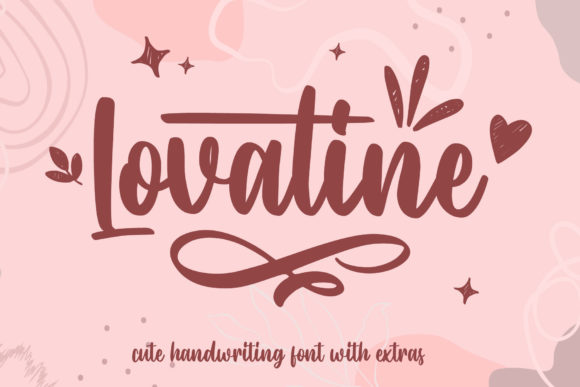
Lovatine fits perfectly into this evolving preference. It is not a bold, casual, or overly whimsical script. Its defining characteristic is delicacy. The flowing letterforms and subtle connections create a rhythm that feels both personal and polished. This makes it exceptionally versatile. It can soften the hard edges of a corporate presentation, add a touch of luxury to a product label, or convey heartfelt sincerity on a wedding invitation. The font’s design acknowledges that modern users crave authenticity and beauty, not just efficiency.
Practical Elegance: Why Accessibility Matters in Typography
A beautiful font is of limited use if it remains locked behind technical barriers. This is a common frustration for designers who find a perfect typeface only to discover that accessing its full range of stylistic alternates, swashes, and ligatures requires advanced software knowledge or cumbersome workarounds. This friction disrupts the creative workflow and can lead to suboptimal design choices.
This is where the technical specification of Lovatine becomes critically important. Being PUA encoded is not a minor technical footnote; it is a fundamental feature that defines its usability. PUA, or Private Use Area, encoding means that every single glyph and ligature within the font file is accessible through standard character maps found in most operating systems and design applications.
For the end-user, this translates to a seamless experience. A freelance graphic designer crafting a logo in Adobe Illustrator can easily explore alternate capital letters or decorative swashes without using specialized OpenType panels. A small business owner creating a thank-you card in a simple design platform like Canva can access those same stylistic features with a few clicks. This democratization of advanced typography is a significant shift. It empowers creators of all skill levels to fully utilize the font’s potential, ensuring the final design is as elegant as intended, not constrained by technical limitations.
Integrating Lovatine into Modern Creative Workflows
The practical applications of a font like Lovatine are vast, extending across the digital and physical realms. Its character lends itself to specific use cases where emotion and brand identity are paramount.
Consider the world of digital branding and social media. For a lifestyle blogger, wellness coach, or boutique hotel, the visual identity must evoke a specific feeling. Using Lovatine for headlines, pull quotes, or signature watermarks can instantly establish a brand voice that is sophisticated, inviting, and trustworthy. It helps cut through the noise of generic online content by offering a visual signature that feels bespoke.
In entrepreneurial ventures and product packaging, typography is a silent salesperson. A skincare line, artisanal food product, or high-end craft kit can use Lovatine on its labels, packaging, and marketing materials to communicate quality and care. The font’s delicate nature suggests a product made with attention to detail, aligning the visual presentation with the product’s perceived value.
Furthermore, in event stationery and personal projects, the demand for customized, beautiful design has never been higher. From digital invitations to printable art, individuals seek fonts that help them create something unique and memorable. Lovatine provides a ready-made solution for achieving a professional, elegant look without the need to commission custom calligraphy.
A Tool for Connection in a Visual World
The evolution of typography in design reflects broader shifts in how we communicate. We are moving beyond mere information transfer to seeking connection and shared experience. A font is a carrier of tone. The right choice can make a message feel personal, urgent, luxurious, or friendly. Lovatine, with its crafted elegance, is a tool for fostering positive connection. It signals to the viewer that care has been taken, that the creator values beauty, and that the content is worthy of a moment’s pause.
For professionals—marketers, educators, and designers—understanding this nuance is a competitive advantage. It allows for more strategic and effective visual storytelling. For hobbyists and creators, it opens a door to elevating their personal projects to a professional standard. The availability of a PUA-encoded font like Lovatine means this sophisticated level of design is no longer the exclusive domain of typography experts.
Ultimately, the choice of a typeface is a quiet but powerful decision. It sets the stage for everything that follows. In a digital environment saturated with content, the thoughtful application of a font like Lovatine can be the differentiating factor that captures attention, conveys credibility, and leaves a lasting impression of refined beauty. It is a testament to the idea that in design, elegance and accessibility can, and should, go hand in hand.